Shy Bladder Workshop in Vienna

One weekend, a small group, a safe space — and your first practical step out of avoidance. At your own pace, no pressure.

Many people live with paruresis for years without talking about it. Here you'll meet others who understand, and work step by step on your shy bladder — with experienced guidance, in an international group.

6
workshops since 2022
~70
participants from 10+ countries
8.7/10
workshop rating
9/10
would recommend us

Based on the anonymous feedback of our workshop participants.

This is for you if …

… you freeze in toilet situations, avoid public restrooms, or limit your daily life, work, travel or social life because of paruresis. You don't need any prior experience — and you don't have to feel "ready enough". Many people sign up precisely because they're stuck on their own and want a safe way in.

Your safe journey

So you know exactly what to expect, from the very first step.

Before
Get to know us, no pressure.

You sign up with no commitment. Before the workshop we have a personal video call — we answer your questions and see together whether the workshop is right for you. So you arrive well prepared.

During
Practise at your own pace.

Small group (max. 10). You decide how much you share and practise — you can pause any time or simply listen. Theory and practice alternate, in a non-judgmental, protected space.

After
You're not left alone.

You leave with a personal practice plan. Aftercare meetings, regular meet-ups and the option of finding a pee-buddy help you keep going. Consistency beats intensity.

Next workshop

  • Autumn 2026, Vienna
  • Weekend workshop in a small group (max. 10 people)
  • Held in English or German, depending on the group

The exact date is being planned. If you're interested in principle, you can register your interest now with no obligation.

Places are limited because we deliberately work in small groups. Leave your email below with no obligation — registering early improves your chance of a place.

How the weekend works

About one third theory, two thirds practice — based on the principles of cognitive behavioural therapy and graduated exposure.

Friday
Arrive & get to know each other. Sharing stories in a small group, an introduction to paruresis and the exposure model — a calm start.
Saturday
Understand & practise. The fundamentals in the morning, first practical exercises in real settings in the afternoon — with peer feedback, at your own pace.
Sunday
Deepen & take it home. Further practice sessions, shared reflection and your personal practice plan for what comes next.

What one weekend can do

Feedback from our participants, from the anonymous before/after surveys:

85 %
report a better relationship with their paruresis
–39 %
lower perceived burden after a single weekend
9 / 10
keep practising on their own after the workshop

What participants say

This workshop is a real breakthrough, especially when you're just starting out. And it felt amazing to meet these interesting, kind people — and to see they're no weirdos, the way I'd often seen myself as a person with paruresis.

— James, 38 · Workshop 2026

I was sceptical — the long trip, the workshop in English, and at almost sixty: does this still make sense? It turned out to be a real success. I now know: paruresis will stay with me, but how much I suffer is up to me.

— Hannes, 56 · Workshop 2023

The workshop showed me that the fears we carry as paruretics about public toilets are simply unfounded. That insight, together with the intensive training, finally let me overcome my paruresis. I'd recommend it to anyone.

— Tom, 25 · Workshop 2022

Brilliantly organised yet very personal, with incredible people of all ages from across Europe. Open exchange, exercises tailored to everyone, huge progress — and a lot of water…

— Benny, 40 · Workshop 2023

Worried? That's completely normal.

A workshop is a big step. Here are the questions people most often have beforehand:

I don't know anyone and I'm nervous — what if I feel uncomfortable?
The atmosphere is very relaxed and understanding — everyone is there for the same reason. We also have a personal video call beforehand where you can ask anything.
I'm introverted and anxious in groups.
Completely understandable — and very common among people with paruresis. That's exactly what creates such a trusting atmosphere. No one judges you or pushes you.
Can I just listen, or pause whenever I need to?
Yes. You decide how actively you take part. There's no pressure to speak up or to join any particular exercise.
How confidential is it?
The workshop is a safe space with strict confidentiality: what's shared and practised here stays in the room. You don't have to reveal any personal details and only share with the group as much as you want to.
Coming from abroad?

You'd be in good company: participants have travelled to our Vienna workshops from more than ten countries across Europe and beyond.

At the same time, we know that travelling can be stressful — and paruresis often makes long journeys harder. If a workshop closer to home would be an easier first step, the UK Paruresis Trust and the International Paruresis Association run workshops in other countries too. What matters most is that you get started — not where.

Built on proven methods

Our workshops are built on the methods of internationally leading paruresis experts we have worked with. They are run by experienced ATPA organisers — people with lived experience — in exchange with professionals.
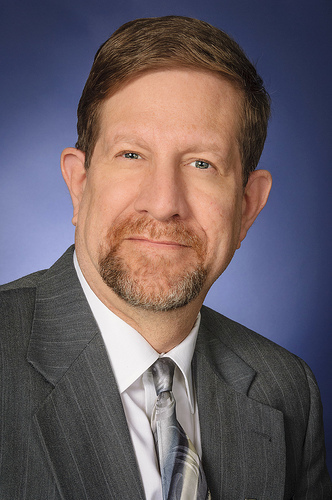
Steve Soifer
Steve Soifer, Ph.D., LCSW

Co-founder of the International Paruresis Association and author of several standard works on paruresis. Our approach builds on his work.
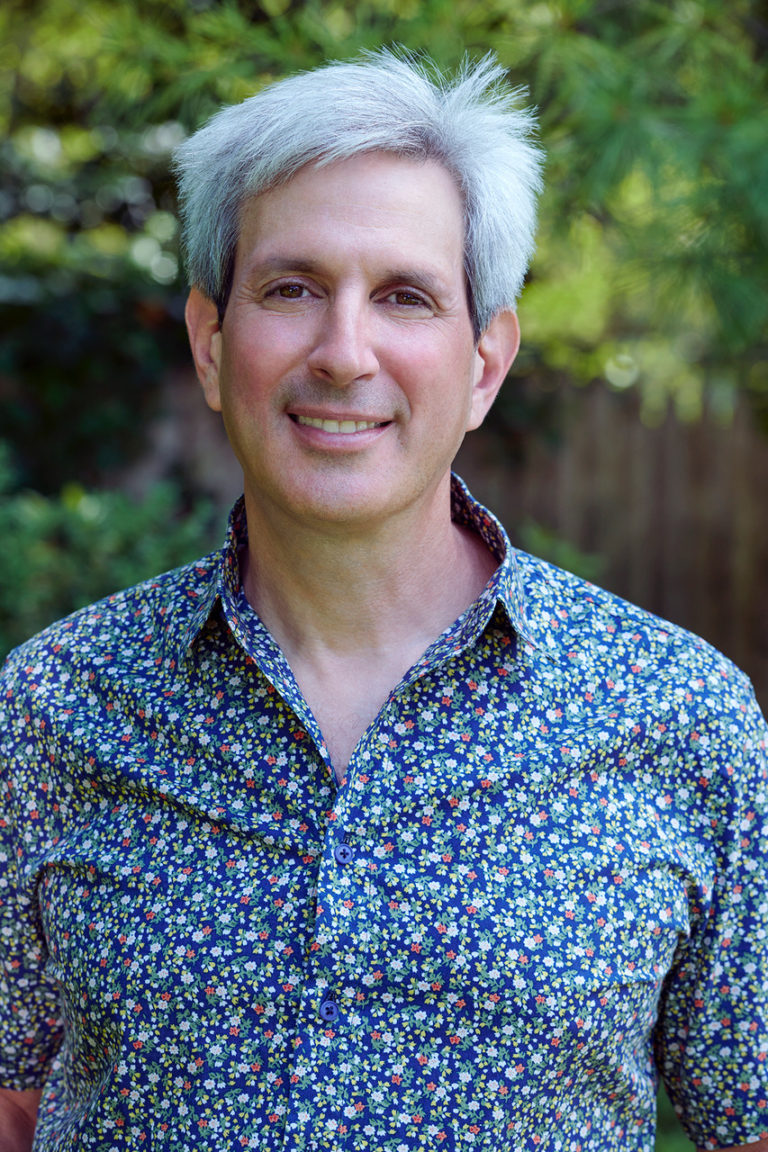
Dan Rocker
Dan Rocker, LCSW, MA

President of the International Paruresis Association and therapist at the Shy Bladder Center (New York). Co-led one of our Vienna workshops.
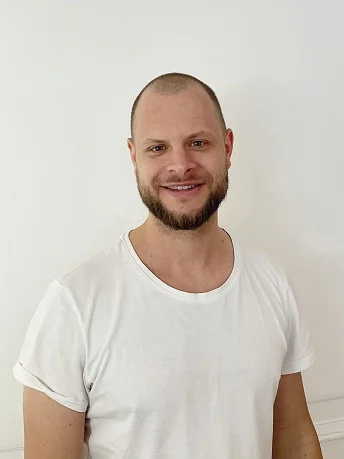
Johannes S. Lanzinger
Johannes S. Lanzinger, MSc

Clinical & health psychologist, head of Phobius (Vienna), specialised in anxiety & paruresis — our local partner.

Please note: ATPA's offerings are a peer-led self-help initiative by and for people affected by paruresis. They do not replace medical or psychotherapeutic treatment. If you have persistent physical symptoms when urinating, or are under significant psychological strain, please consult a doctor or a qualified mental-health professional.